
PLC Construction Powers Found Energy’s Aluminum-Fuel Reactor Pilot

EPC firm delivers a complete automation and controls platform for the Corvo clean-energy pilot, showcasing its Pilot to Production service LIBERTY, Texas, June 25, 2026 — PLC Construction, a full-service engineering, procurement and construction (EPC) company, today announced the successful delivery of the automation, controls and electrical systems behind Found Energy’s Corvo project, an aluminum-water […]
SCADA vs DCS vs PLC: Which Control System Does Your Oil & Gas Facility Need?

Choosing the wrong control system architecture for an industrial facility is an expensive mistake — not just in initial capital cost, but in years of operational inefficiency, integration headaches, and maintenance overhead. A $3 million DCS specified for a simple compressor station is money poorly spent. A SCADA-only architecture for a gas processing plant with […]
EPC Contractor for Oil & Gas: A Buyer’s Guide to Selecting, Vetting, and Contracting the Right Partner

The difference between a well-selected EPC contractor and a poorly selected one is not usually visible in the proposal. It becomes visible at Week 14 of construction, when the first major deviation from schedule appears — and you discover whether your contractor has the engineering depth, field supervision, and financial resilience to absorb it. Or […]
Front End Engineering Design (FEED): The Complete EPC Project Delivery Guide

Most industrial projects fail not in the field — but at the drawing board. According to the Construction Industry Institute (CII), poor front-end planning is responsible for the majority of cost overruns and schedule delays on major capital projects. Front end engineering design (FEED) exists specifically to prevent that from happening. FEED is the structured […]
What Does an EPC Contractor Do? A Complete Guide to Engineering, Procurement & Construction Services

Introduction An EPC contractor manages the entire project lifecycle of complex construction projects by handling engineering, procurement, and construction under a single contract. EPC stands for Engineering, Procurement, and Construction, representing a project delivery model where a single contractor is responsible for all phases of the project, ensuring seamless coordination and accountability. This integrated approach […]
Understanding the EPC Contract: Time & Materials vs Fixed Price Pros & Cons

Introduction An EPC contract (Engineering, Procurement, and Construction contract) is a project delivery method where a single contractor is responsible for all aspects of engineering, procurement, and construction, delivering a completed project on a turnkey basis. EPC contracts—Engineering, Procurement, and Construction agreements—are based on the EPC model, a project delivery framework that assigns comprehensive responsibility […]
Pipe Rack Module Transportation and Installation: Complete Guide for Industrial Projects

Introduction Pipe rack module transportation and installation represent critical phases that determine the success of industrial construction projects. These precision manufactured structures must travel from controlled shop environments to project sites without damage, then be assembled with exacting accuracy to support pipes, cable trays, and mechanical equipment throughout their operational lifespan. This guide covers transportation […]
Project Safety Management in Construction: Key Elements and Best Practices

Introduction Project safety management involves systematically identifying, assessing, and mitigating workplace hazards through proactive planning, training, and job safety analysis tools. Project safety management represents a systematic approach to identifying, assessing, and controlling safety risks throughout the entire construction project lifecycle. This discipline integrates safety planning, risk assessment, and control measures into every project phase—from […]
Oil and Gas KPI: Common EPC Metrics for Engineering, Procurement, and Construction Success
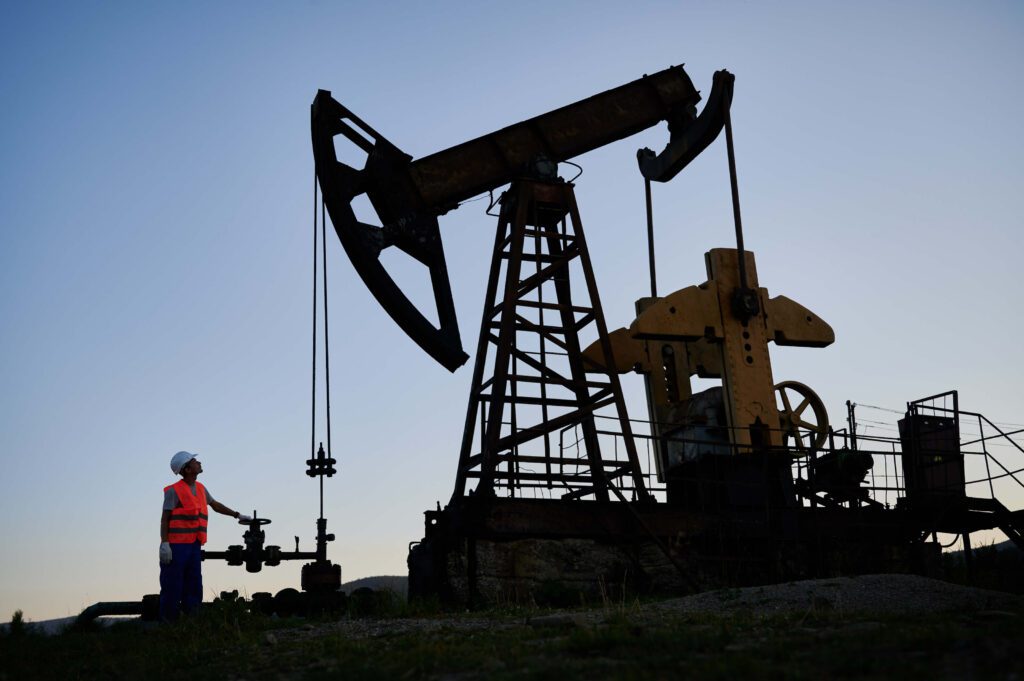
Introduction Oil and gas EPC KPIs are quantifiable metrics that measure engineering performance, procurement efficiency, and construction execution across energy infrastructure projects, enabling data-driven decisions that improve cost performance and project completion rate. Oil and gas EPC KPIs are quantifiable metrics that measure performance across engineering, procurement, and construction phases of energy infrastructure projects. These […]
EPC Procurement Strategies to Reduce Project Costs in 2026

Introduction EPC procurement—the integrated acquisition of engineering, materials, equipment, and construction services within a single project delivery framework—represents one of the most significant opportunities for cost reduction in capital-intensive projects. When executed strategically, this procurement process eliminates the inefficiencies inherent in fragmented project delivery while creating leverage points for substantial savings. A well-designed procurement strategy […]
Top 5 QA Failures in Industrial Construction and How to Prevent Them

Introduction Quality assurance failures in industrial construction projects represent some of the most costly and dangerous vulnerabilities in the construction industry. When QA protocols break down in manufacturing plants, power plants, or processing facilities, the consequences extend far beyond budget overruns—they can result in structural collapses, worker fatalities, regulatory shutdowns, and operational losses reaching millions […]
Designing Robust Control Systems and Network Architectures for Industrial Automation

Introduction Industrial control systems form the backbone of modern manufacturing, integrating programmable logic controllers, distributed control systems, and supervisory control infrastructure to manage complex production processes with minimal human intervention. Industrial automation solutions are comprehensive offerings that integrate control systems, network architectures, and innovative technologies to enhance productivity and operational efficiency. Network architectures connect these […]
Troubleshooting Instrumentation and Electrical Systems: A Practical Guide

Introduction Troubleshooting instrumentation and electrical systems represents one of the most critical skill sets in modern industrial operations. When sensors fail, control loops become unstable, or electrical equipment malfunctions, the ability to systematically diagnose and repair these interconnected systems determines whether a facility experiences minor delays or costly shutdowns. Unlike other types and other areas […]
Environmental Compliance Requirements for Pipeline Projects

Introduction Environmental compliance requirements for pipeline projects encompass the regulatory frameworks, permit processes, and operational standards that pipeline operators must follow to minimize ecological harm and protect public health during the construction and operation of oil pipelines, natural gas pipelines, and other infrastructure systems. These requirements span federal, state, and local jurisdictions and apply throughout […]
EPC vs Design-Build: What’s Right for Industrial Projects

Introduction Choosing between EPC and Design-Build delivery methods determines how your industrial project will be executed, who carries the risk, and whether you’ll finish on budget and schedule. This decision shapes the entire project lifecycle from initial engineering through final commissioning. This guide covers project delivery method selection for manufacturing, energy, chemical, and infrastructure projects. […]
What is a PLC in Oil & Gas? Applications & Importance
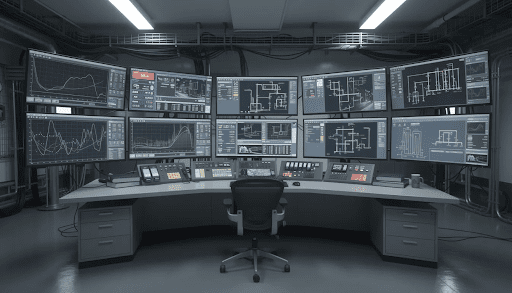
Introduction A Programmable Logic Controller (PLC) serves as the automation backbone for modern oil and gas operations, functioning as a ruggedized industrial computer that monitors, controls, and optimizes processes across every segment of the petroleum industry. These computing devices have replaced traditional hard wired relay systems with flexible, reprogrammable solutions that can adapt to the […]
What Oil and Gas Pipeline Engineers Do

North America runs on pipe. More than 2.5 million miles of pipelines cross the U.S. alone. Quietly moving crude, refined products, and natural gas from wellheads to refineries to the corner station. Keeping that network safe and productive is the job of pipeline engineers. The folks who turn maps, math, and standards into steel in […]
PLC vs. DCS for Midstream Facilities: Cost, Scalability, Uptime

Pipelines, processing plants, and storage terminals all share the same reality: products must move safely and continuously. Pick the wrong control platform and you inherit higher costs, brittle scaling, and more downtime than anyone can afford. In midstream oil & gas, the decision usually comes down to PLCs (Programmable Logic Controllers) vs. DCS (Distributed Control […]
Modular Fabrication in Facility Construction: How to Hit Dates, Control Costs, and Raise Quality

Construction overruns are so common they feel inevitable: schedules slip, budgets stretch, and the ripple effects hit profit, safety, and reputation. Across the industry, large projects often take significantly longer than planned and routinely overshoot costs — a pattern well-documented in major research on construction productivity. Modular fabrication is the counter-move. By relocating a big […]
Control Systems Engineering: A Guide for Industrial Professionals

What Control Systems Engineering Really Is Control systems engineering is the quiet force behind modern industry. It’s the discipline that watches a refinery’s temperatures, a compressor’s pressures, a packaging line’s motion—and makes constant, tiny corrections so everything stays safe, efficient, and on spec. No control? No production. A useful mental model: the control system is […]